SLEEP HEALTH
Thousands of People Are Discovering That Waking Up Uncomfortable May Have a Very Different Cause Than They Ever Imagined
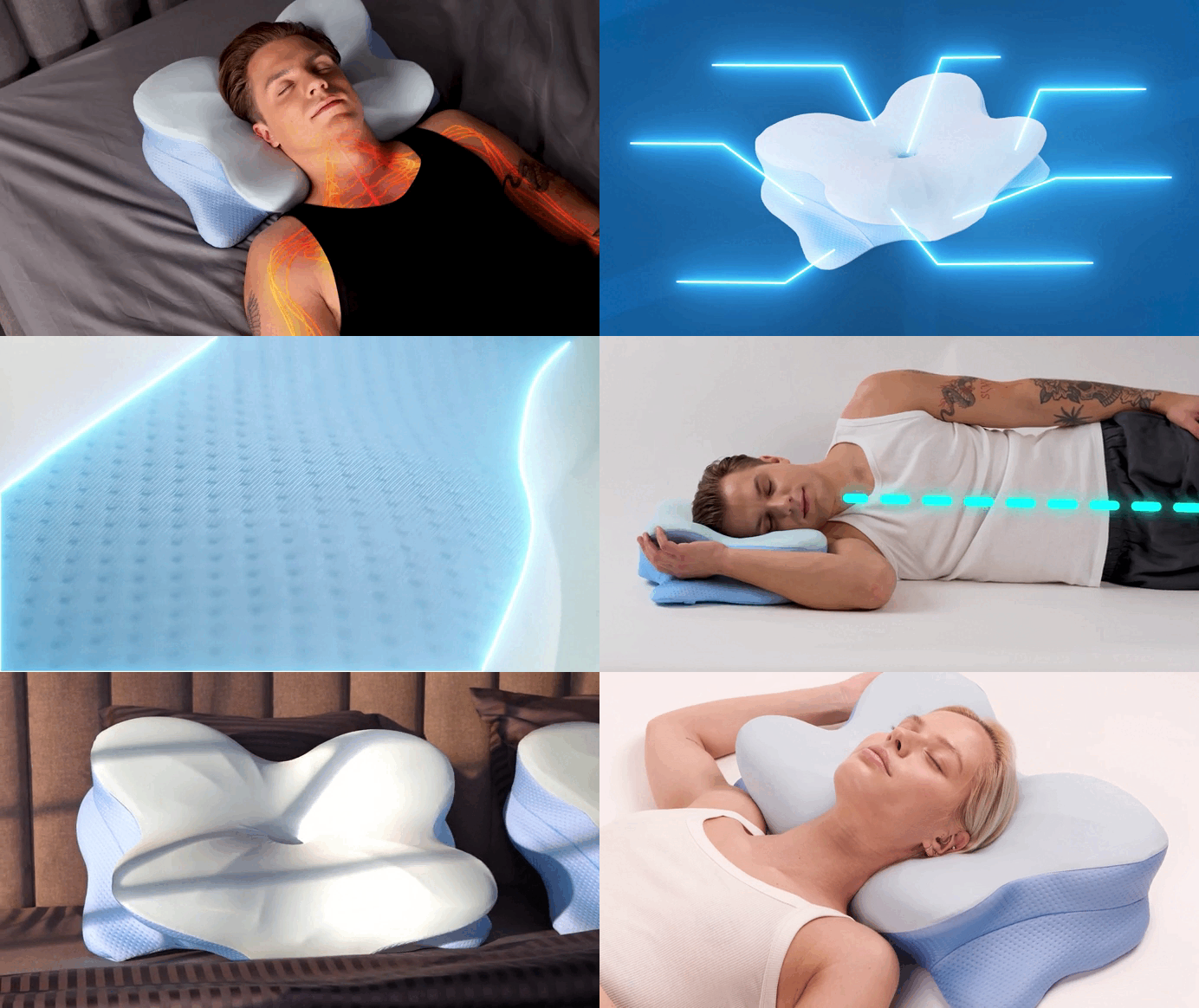
Sleep ergonomics experts explain why one often-overlooked detail may have a bigger impact on how you feel when you wake up than you realize.
Do You Wake Up Feeling Tired Even After Sleeping for Several Hours?
For many people, the problem isn’t simply how many hours they sleep.
It’s that feeling of opening your eyes and realizing your body still feels heavy.
Your neck feels stiff.
Your shoulders feel tight.
And the moment you get out of bed, it seems as though your body never truly recovered overnight.
Over time, many people begin to accept this as normal.
“It’s just getting older.”
“It’s probably stress.”
“I worked too hard yesterday.”
At first, those explanations seem reasonable.
But do they really tell the whole story?
Sleeping Longer Doesn’t Always Mean Sleeping Better
While you’re asleep, your body continues working.
Your muscles begin to relax.
Your joints remain in the same position for hours.
Your spine is supported in virtually the same posture throughout the night.
When that alignment is properly maintained, many people wake up feeling refreshed and ready for the day.
But when it isn’t, it’s common to wake up feeling stiff, uncomfortable, or as if you spent the entire night searching for a comfortable position.
What Could Be Happening?
Sleep ergonomics specialists say it’s common for people to blame their mattress—or simply accept these discomforts as an unavoidable part of life.
However, another factor may play an important role: how your head, neck, and spine are supported throughout the night.
Even small differences in support can influence how comfortable you feel when you wake up.
(Suggested image: A simple illustration comparing poor spinal alignment versus proper spinal alignment during sleep.)
The Small Detail Most People Never Think About
Imagine keeping your head tilted slightly forward or backward for seven or eight hours.
During the day, you’d probably notice the discomfort within minutes.
But while you’re asleep, you may not notice it at all.
That’s one reason why researchers and sleep ergonomics professionals have spent years studying how cervical support may influence overnight comfort.
The goal isn’t to “treat” pain.
It’s to help create conditions that allow your body to remain in a more comfortable and naturally supported position while you sleep.
Why Is This Topic Getting So Much Attention?
Sleep-related concerns are among the most common health complaints reported by adults around the world.
In fact, it’s estimated that approximately 1 billion people worldwide live with some degree of sleep apnea, highlighting just how widespread sleep-related issues have become.
While not every case of morning discomfort is related to sleep apnea, this statistic underscores the importance of taking sleep quality seriously.
Commonly Reported Signs
✔ Waking up with a stiff neck
✔ Feeling shoulder tension first thing in the morning
✔ Frequently changing positions throughout the night
✔ Getting out of bed still feeling tired
✔ Taking a long time to loosen up after waking
(Suggested image: A side sleeper with emphasis on proper neck positioning.)
A Different Way of Looking at Sleep Comfort
Instead of focusing only on softer materials, some sleep solutions now prioritize proper cervical support.
The idea is to better follow the natural curve of the neck while providing consistent support throughout the night—even as you change sleeping positions.
This approach has attracted growing attention because it focuses on a factor that’s often overlooked: maintaining healthy alignment while you sleep.
What Are People Saying?
Many users say they spent years replacing mattresses, changing bedtime routines, and trying different approaches without noticing meaningful improvement.
After learning more about the importance of proper nighttime support, many report paying closer attention to how their head and neck are positioned while sleeping—and waking up feeling more comfortable.
As with any wellness-focused solution, individual experiences and results may vary.
It May Be Worth Learning More
If you’ve already tried different ways to improve your sleep but still wake up feeling less rested than you’d like, you may want to learn why so many people are talking about this approach.
It offers a simple explanation of how proper head and neck alignment may influence sleep comfort—and why this often-overlooked detail is receiving increasing attention from sleep ergonomics experts.
Copyright © 2024 Health Pro News LLC – All Rights Reserved
This site and the products and services offered on this site are not associated, affiliated, endorsed, or sponsored by Clickbank, nor have they been reviewed, tested, or certified by Clickbank.